Film Friday - June 5th, 2026. Optik Oldschool Opticolour 200 (aka Wolfen NC200)
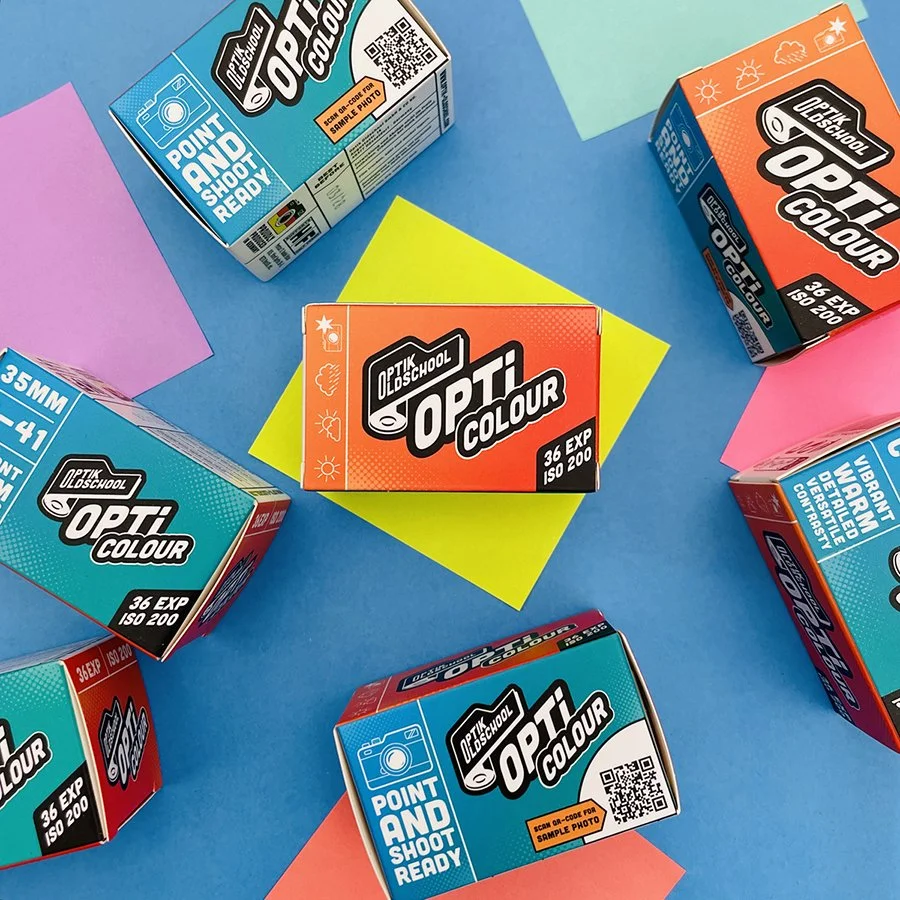
With this Film Friday Review we are shining a light on a new color film that seems to love traveling the world under a multitude of aliases. While we first met this film as Optik Oldschool OptiColour, you might have crossed paths with it under the ORWO Wolfen NC200 or KONO Color 200 monikers. Or even possibly masquerading as Lomochrome Classicolor 200 (though we cannot absolutely verify they are one and the same, it seems a lot like it). Whatever box you happen to procure this film in, or however you come across it, we wanted to share our experiences with this new color film with all of you.
We have said it before, and we will say it again: it is a pretty good time to be a color film photographer if you enjoy variety. The last five or so years have been great ones for the introduction of new color films to try. OptiColour (aka Wolfen NC200) was introduced in 2025 and is just one of several new color films we have been introduced to lately. Its predecessors, NC500 and NC400 were released in 2022 and 2023 respectively. Harman launched their original Phoenix film in 2024 and followed that up with Phoenix II in 2025. And now we have more and more sample images of the Chinese-made Lucky Color C200 film showing up on the web each day as that film (also launched in 2025) has been making its way into the hands of more and more photographers. So yeah, it is a pretty great time for trying new color films!
We are going to switch over to referring to this film under its Wolfen NC200 name as that will make a bit more sense for this next little bit. NC200 is the third in a line of color films produced by InovisCoat GmbH and sold under the ORWO brand name. ORWO (ORiginal WOlfen) was a film manufacturer located in Wolfen, Germany during the mid-to-late 20th century but closed in 1994. Similar perhaps to AGFA (or Rollei for that matter) the rights to the brand name ORWO were purchased, in this case by InovisCoat, and here we are with ORWO Wolfen NC200.
The previous NC films, NC500 and NC400, shared some similarities. Both films have slightly quirky color palettes aiming for normal but not completely getting there, as well as pronounced grain and contrast just slightly higher than moderate. Wolfen NC200 seems to be building on the successes of these films and has much of the same core DNA, but also continues to offer improvements in terms of look and performance.
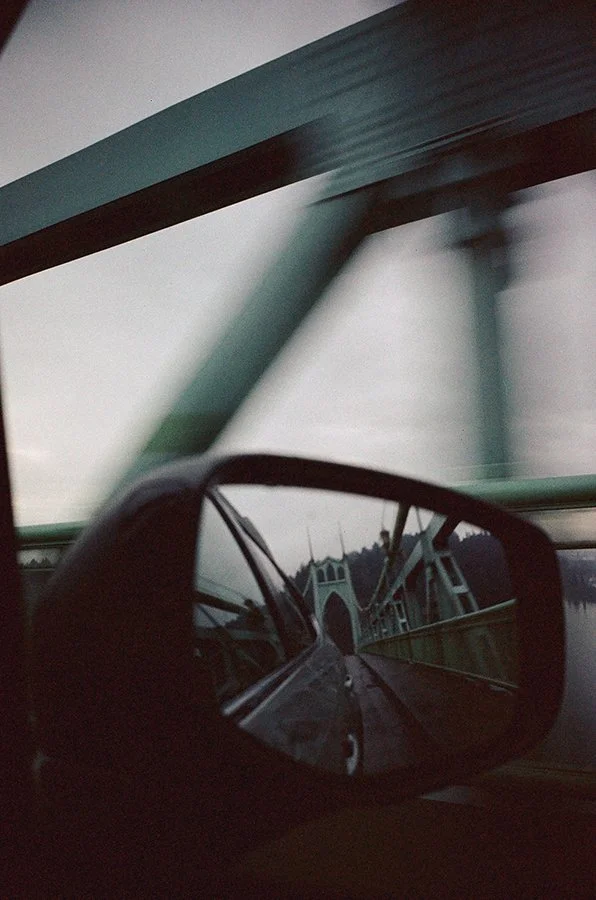
OptiColour 200 definitely shares roots with the Wolfen NC500 and NC400 films. Image made with a Voigtlander Bessa-L.
Taken on its own, Optik Oldschool OptiColour is a color negative film that threads the needle between being completely normal but also distinct and unique. It is kind of like it is trying to be an everyday, standard color film but it still has some rough edges that make it stand out when compared to other more ordinary films of the same speed such as Kodak Gold 200 or Kodak Colorplus (aka Kodacolor 200). This means that you could ignore all of OptiColour’s quirks and use it just like you would some Gold 200 and be totally ok. Or it also means you can lean into the subtle edge this film has and enjoy it because it has a flavor that is slightly but definitely its own.
Before we go any farther, while OptiColour may aim for standard it is still very much a film where your mileage may vary. For this reason we highly recommend you look up other online film reviews for both OptiColour 200 as well as Wolfen NC200 because differences in how this film is exposed, developed, scanned and post-processed can very much change its look. As part of our research for writing our own reviews we tend to read up on other photographers’ experiences to get a feel for similarities and differences in conclusions. OptiColour is one of those films where there is a wide spread of experiences out there, probably due to how the film is handled in scanning. We will touch on that below, but just bear in mind that how and where this film is processed and scanned can really have a big impact on the final result.
Alright, we hear you thinking, so actually tell us about the film already. Our apologies for the long winded intro, we just like setting you up with any relevant or important context. So what is OptiColour 200 like? In our testing we had slightly different experiences between shooting 35mm and 120. So let’s begin with it as a 35mm film.
Our first roll of OptiColour was shot in 35mm. The film in this format has slightly muted colors with relatively normal contrast and highly visible grain. Our first rolls of 35mm have a “dim” feeling to them. They are kind of dark, in part due to easy underexposure, but also in part because the shadows in OptiColour 200 tend to be deep and the highlights not terribly clean or bright, rendering the whole image with kind of a dusky feel or akin to photographing on heavily overcast days (which to be fair we actually were). It felt a lot like Wolfen NC400 film, or maybe a bit like Lomochrome Metropolis. While we wouldn’t call the colors especially vibrant they were pretty true to nature and accurate. We were especially surprised by how good skin tones turned out. We read accounts of greens and reds popping with this film, but didn’t see that in our shots. Similarly blues were pretty toned down. What we did see was grain, and lots of it. Make no mistake, this is a gritty film. It is great if you love textured images, but if clean and smooth is your thing then maybe try this in 120 where the grain is greatly minimized by the larger negative. OptiColour does have a lot of grain though, which becomes more obvious in scenes of large, unbroken color such as lots of clear or featureless sky. Photographing busier scenes with more detail causes the grain to recede more to the background though.

The first thing you will notice about OptiColour 200 in 35mm is its grain, especially in open, featureless parts of the scene such as skies. Image made with a Voigtlander Bessa-L.
Using this film in scenes richer in detail helps hide the film’s grain quite a bit. Image made with a Voigtlander Bessa-L.

While its colors are somewhere between “completely normal” and “a bit funky” OptiColour 200 does a pretty decent job with skin tones. Image made with a Voigtlander Bessa-L.
So then we went out with some OptiColour 200 in 120 and what a surprise. Maybe it was using the film in brighter conditions, or maybe we did a better job exposing, or maybe this film just performs differently in medium format but our medium format tests produced images with punchy, saturated colors, moderately high contrast and way less obvious grain. Our first roll of 120 took a snowy alpine adventure up to Mt. Hood. The results showed a couple differences. First, the blue sky we had that day is richly saturated, far more so than any blue sky we got on our 35mm tests. Also our highlights (snowy, white mountain after all) were quite a bit cleaner, brighter and crisper than the highlights from our 35mm tests which struggled to get to white. So we took out another roll a month later as spring was really coming in and made a few more shots of the spring blossoms and whatnot. Those shots too showed bright, crisp highlights with punchy colors. What gives? We honestly don’t have enough experience with this film to offer any hard conclusions just yet other than see our above comment about mileage varying. That holds true even with us. But it is worth mentioning that the 120 version of this film is only available from Optik Oldschool. And despite them stating that it is Wolfen NC200, you cannot buy NC200 or Kono Color 200 in 120. So did Optik Oldschool commission a special batch of NC200 for 120 that by chance has slight differences? The best we can do there is speculate.
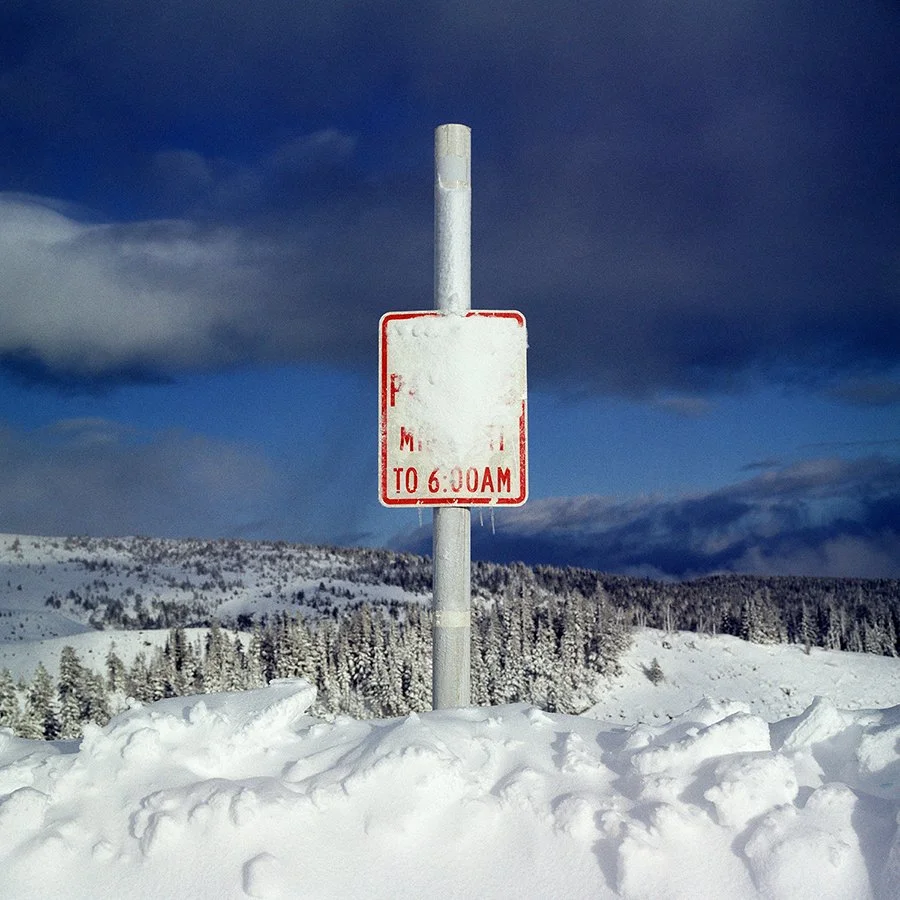
Wowzers. This was not the OptiColour 200 we thought we knew. Punchy colors, clean highlights. Color us impressed. Image made with a Hasselblad 500C/M.
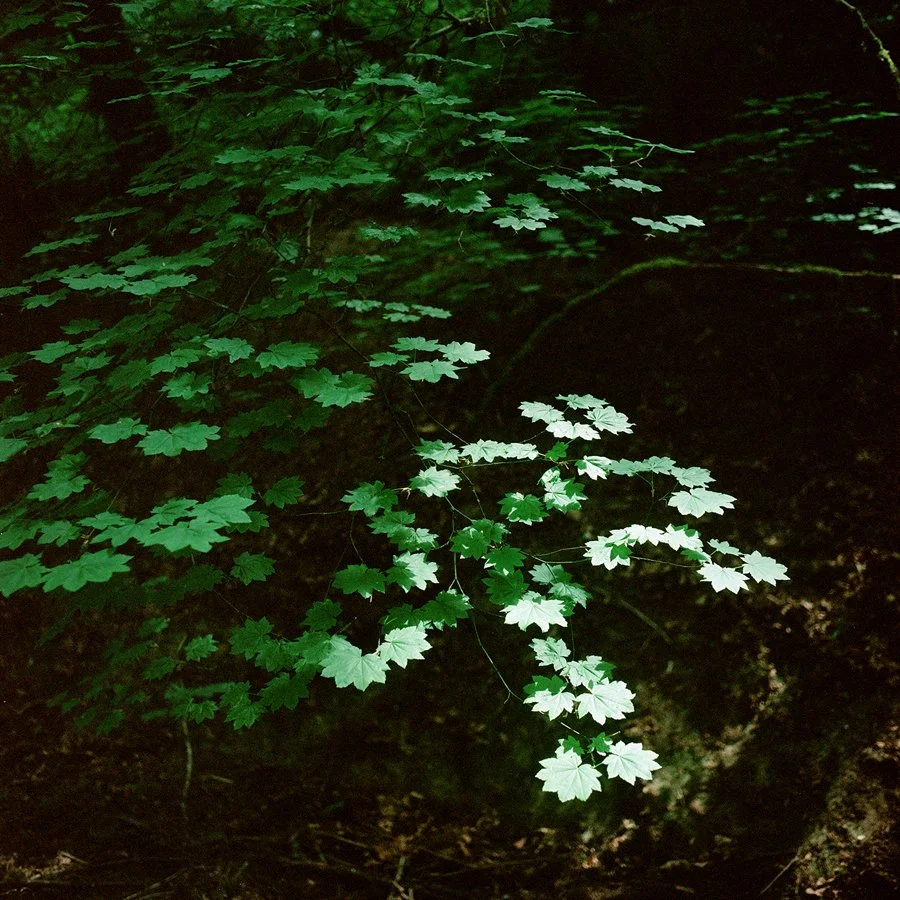
Our medium format greens were also quite nice. Image made with a Hasselblad 500C/M.
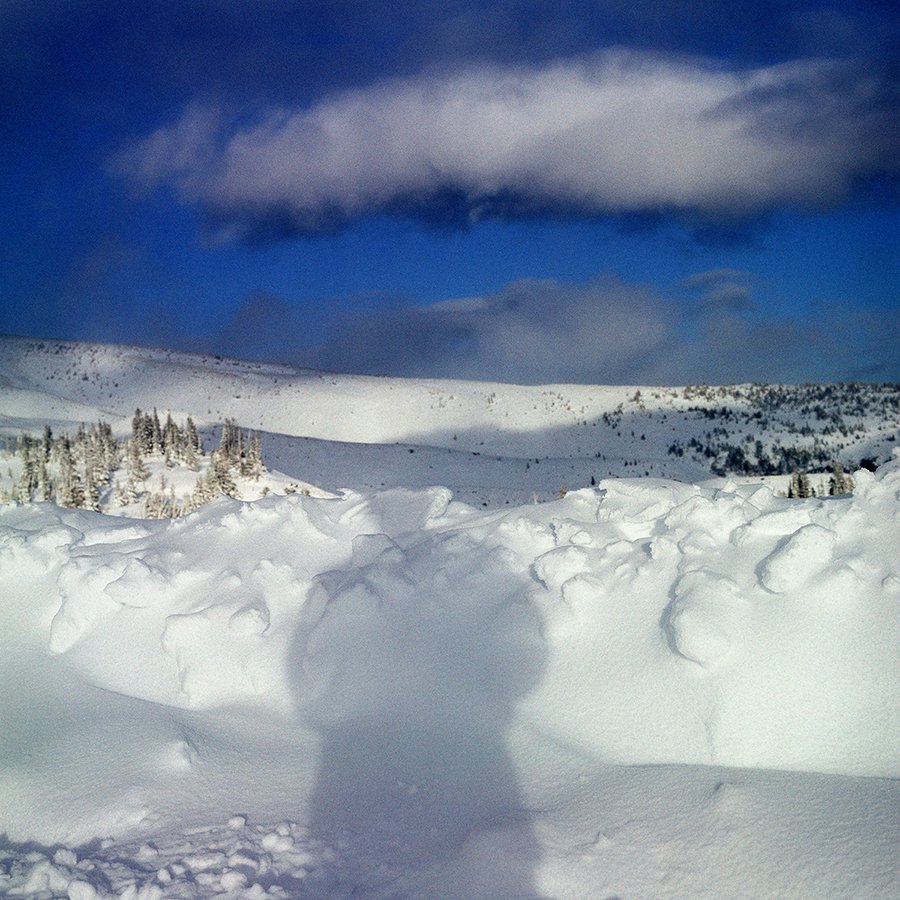
Yes, the grain is still there but the larger negative size helps mitigate its impact somewhat. Image made with a Hasselblad 500C/M. Also note a bit of the greenish cast in the snow. We’ll touch on that a bit below.
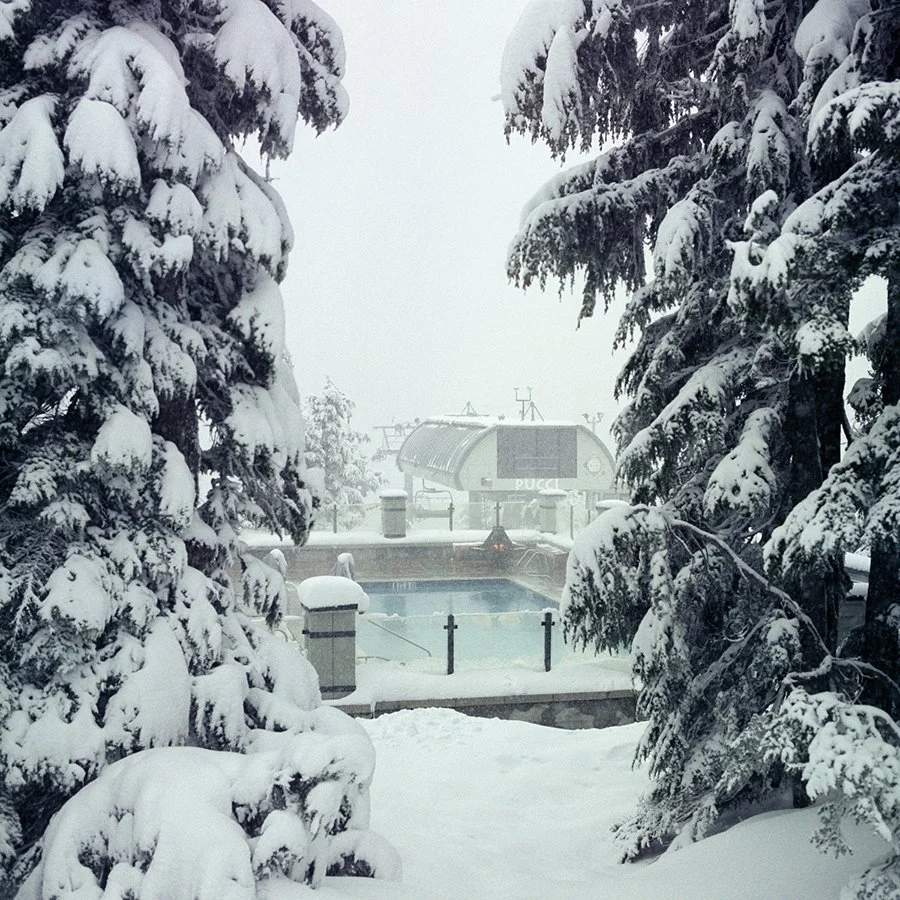
As with the 35mm, highly detailed scenes help mask the film's grain. Image made with a Hasselblad 500C/M.
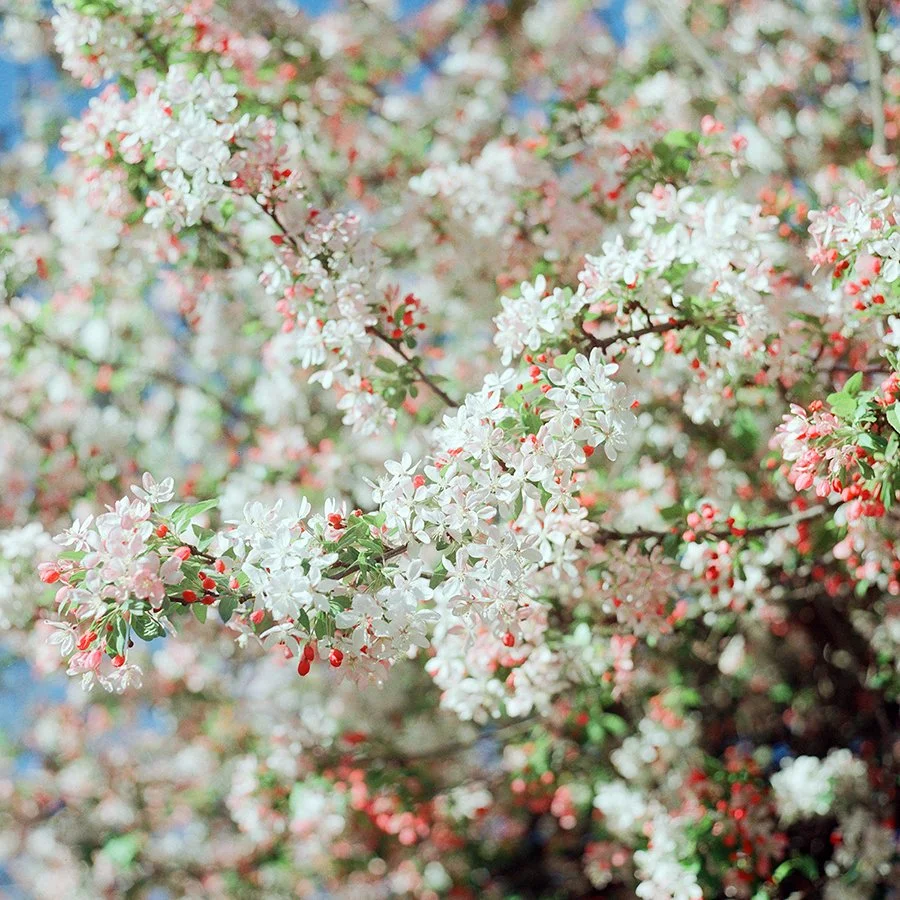
Our second roll of OptiColour 200 in 120 produced consistently bright, crisp images. Image made with a Rolleiflex 2.8C.
In either format we recommend paying attention to exposure. It does not seem like this film has a ton of latitude, especially for underexposure. If you are going to err with OptiColour, our recommendation is err on the overexposure side of things. Almost every color film is pretty forgiving of overexposure and OptiColour seems no different. We haven’t done any tests with long exposures just yet, so we cannot speak to its reciprocity failure. But perhaps we will try some of that in the near future and update this article with those results.
Also, OptiColour 200 (once again, Wolfen NC200) scans pretty decently. It is not as easy to scan as your average roll of Kodak Gold 200 or Portra 160, but it also is much easier to scan than Wolfen NC500 or NC400. We do most of our scanning on a Noritsu S1800 and on that scanner OptiColour tends to have a bit of a cyan-green cast to it that cleans up easily in post. But this is where consistency between labs can cause results to vary. Some labs may do better at correcting out this initial color cast than others. Or even some photographers have different eyes for color correction than others. Leaving the greenish-cyan cast in, if you get it, will make certain colors more muted, but it could also make greens pop a bit more. So, you know, YMMV.
One last thing to note. Across pretty much every roll of OptiColour we have shot so far we have seen small black specks and spots. These are mostly easily seen in the highlights and are not uniform in their patterns. They are almost identical to the same spots you get when using the Lomochrome Purple “Petillant” film. As this is some type of film defect it could potentially disappear in future batches but at the time of this writing we have seen it consistently across both the 120 and 35mm OptiColour.

Small defects in the film emulsion that have shown up regularly. Easy to spot, but worth noting.
Ok, so no hard conclusions perhaps, but we can say we like this film. It is intriguing and interesting enough to get us to want to come back and try it again. We love its punchy colors in medium format and the less expressive grain. In 35mm on the other hand, the film has a look that offers a callback to analog films of yore - a gritty nostalgia that lends itself well to portraits, urban, or even general everyday uses. It has a slightly experimental edge akin to Harman Phoenix II, but without that film’s more bombastic behavior.
So like we always do, we will close you out with a few more sample images to enjoy! But before you go:
We have almost every film stock available on the market. Check it out!
If you need an excellent lab for meticulous film developing, topnotch optical prints, traditional darkroom printing and superb film scanning, we’re your lab!
Also, sign up for our weekly newsletter The Loupe and keep your eyes peeled on our social media feeds every Friday when we feature a different film and also offer it at a one day discount of up to 15% off!
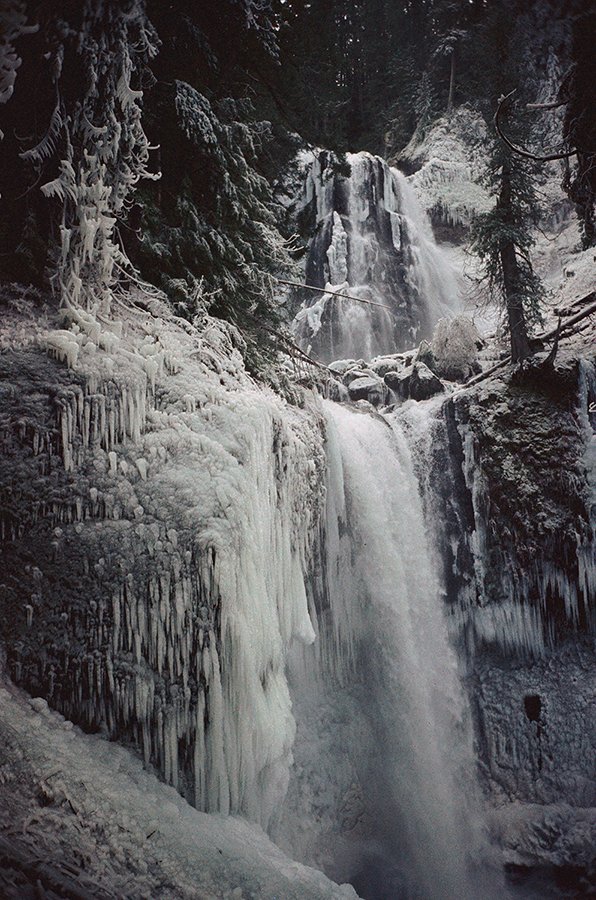
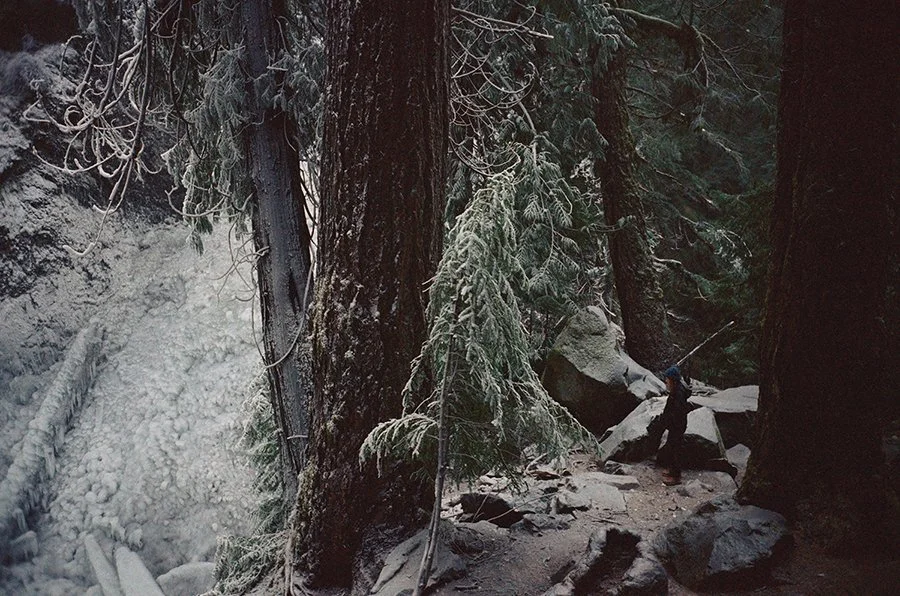
Falls Creek Falls in Washington state is a lovely place to expose some film, especially in the winter. Image made with a Voigtlander Bessa-L.
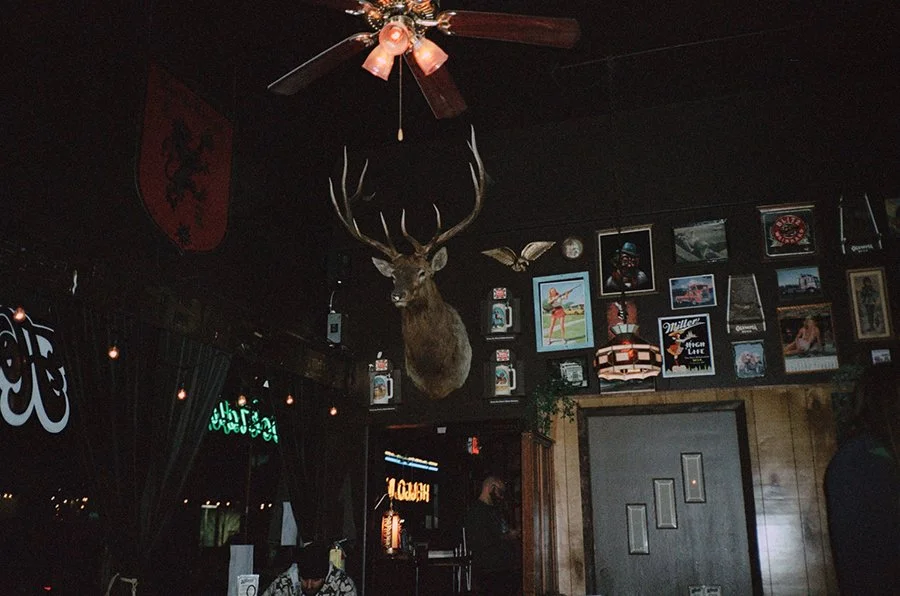
While it has subtle quirks, OptiColour works well for everyday use too. Image made with an Olympus Stylus Epic.

And there is a certain old school charm to its colors (at least in 35mm) can engenders a lovely nostalgia for photos of your daily life. Image made with Olympus Stylus Epic.
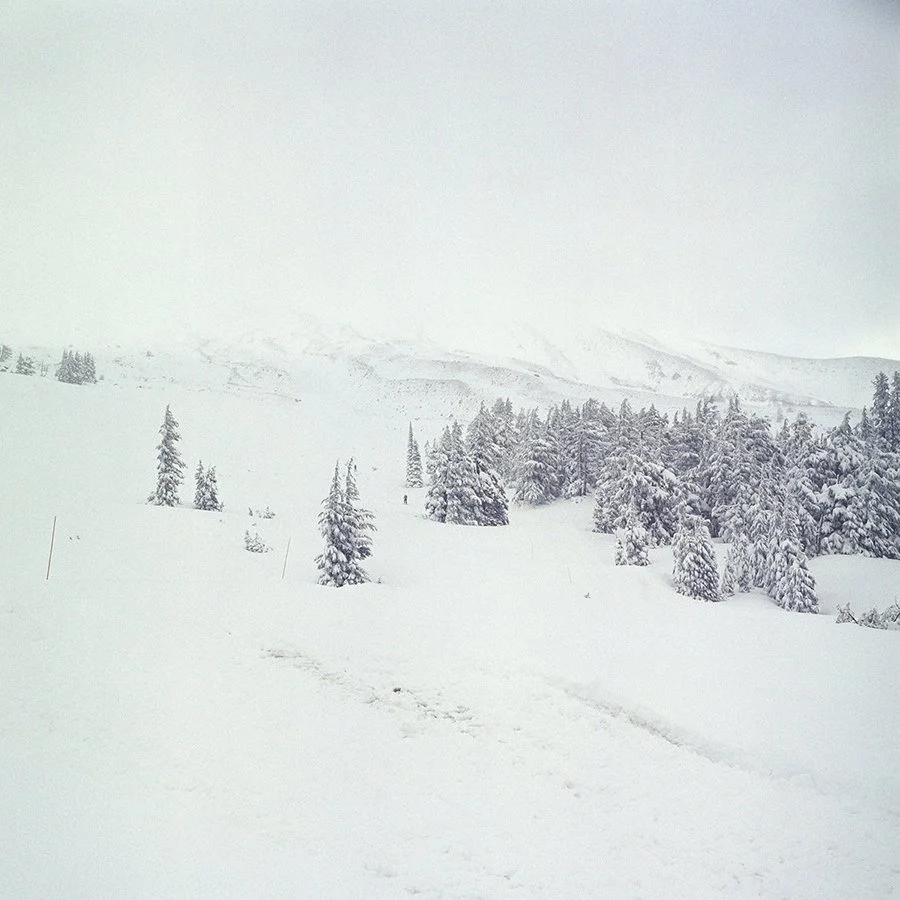
Image made with a Hasselblad 500C/M.

Image made with a Rolleiflex 2.8C.
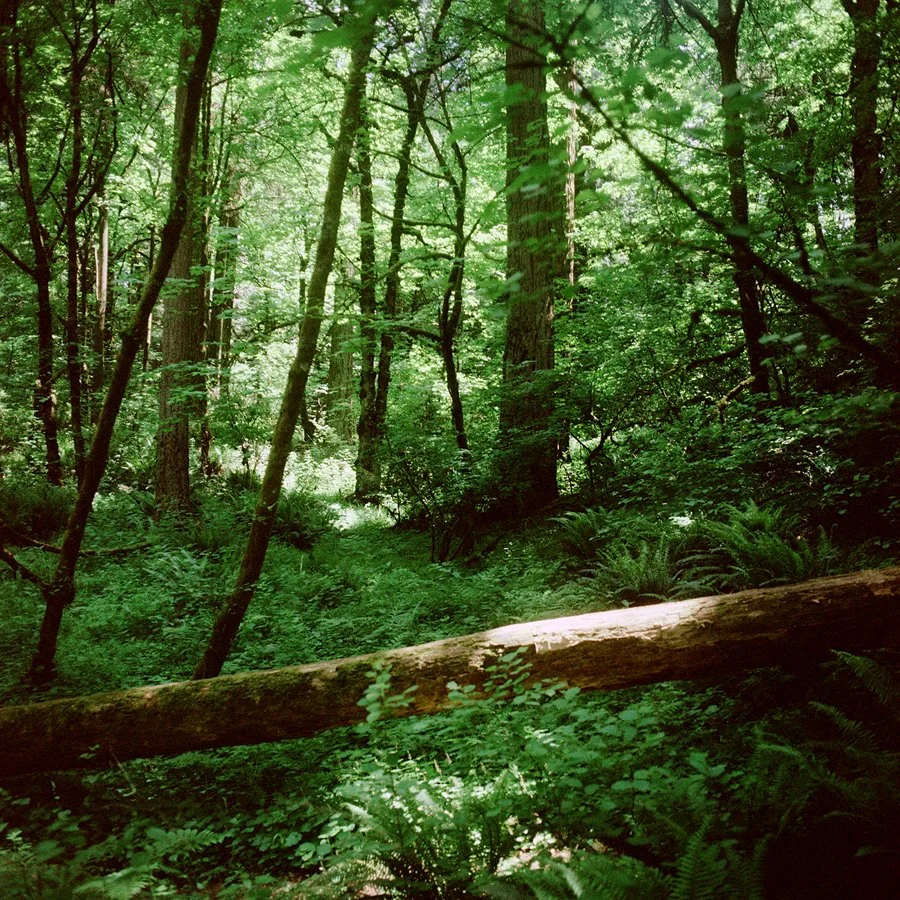
Image made with a Hasselblad 500C/M
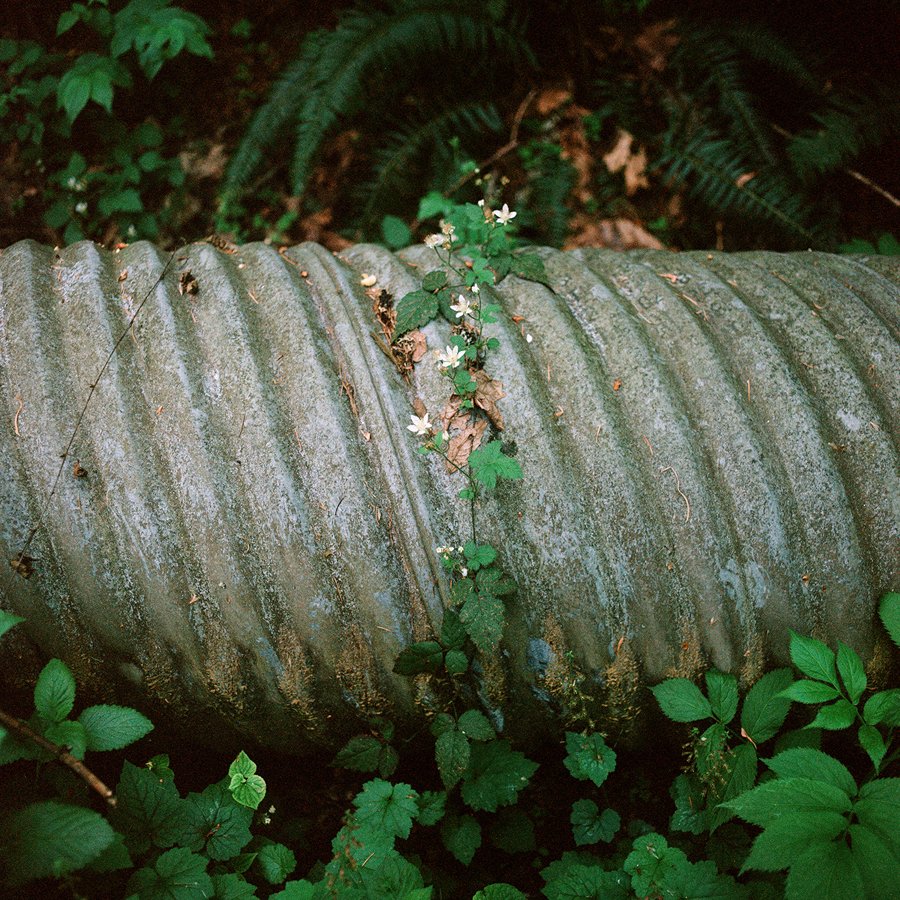
Image made with a Hasselblad 500C/M